
Today, April 1, 2026, the world stood still as NASA’s Artemis II mission successfully cleared the towers at Kennedy Space Center, marking the first time humans have departed for the Moon in over half a century. The atmosphere in Florida was electric as the Space Launch System (SLS) rocket—the most powerful ever built—ignited, carrying a diverse crew of four pioneers into the history books. This isn’t just a repeat of Apollo; it’s a statement of intent for a multi-planetary future, with a crew that finally reflects the global nature of 21st-century science, including the first woman and first person of color to leave Earth’s orbit.
The mission is a masterclass in modern aerospace engineering and AI-driven navigation. Unlike the analog systems of the 1960s, the Orion capsule is managed by an advanced “Mission Pilot” AI that calculates orbital burns with micro-second precision, allowing the human crew to focus on high-level scientific objectives and deep-space photography. This seamless integration of human intuition and machine reliability is the blueprint for the permanent lunar base, known as Gateway, which is scheduled for full deployment by 2028.
Economically, Artemis II represents the peak of the “Lunar Economy” boom. With private contractors like SpaceX and Axiom Space providing critical life-support systems, the mission highlights a shift from government-only exploration to a thriving public-private partnership. Analysts estimate that the success of this mission will unlock billions in venture capital for lunar mining, orbital tourism, and the recently announced “Space-Based Data Centers” intended to house Earth’s most power-hungry AI models away from terrestrial energy grids.
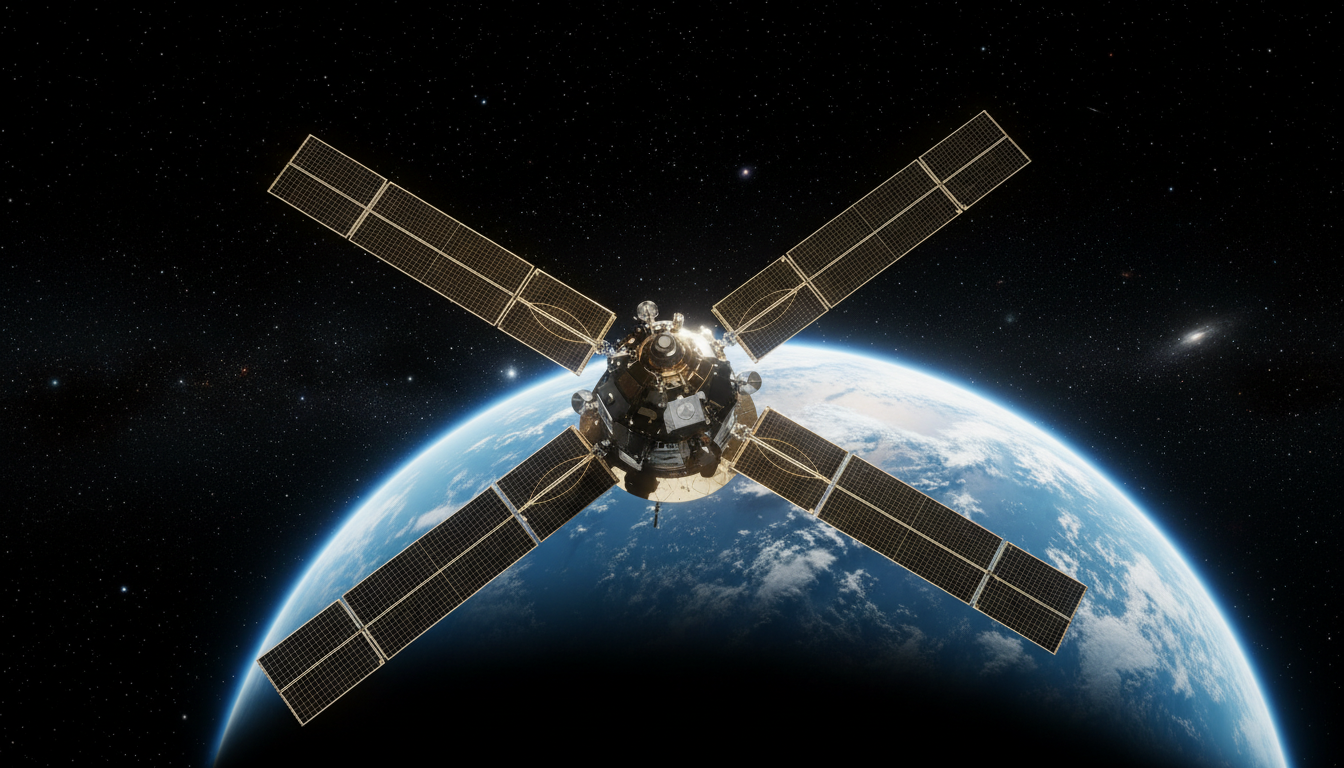
On the ground, the “Artemis Effect” is sweeping social media, with live streams breaking viewership records across every major platform. For the first time, an entire generation is watching a lunar transit in 8K ultra-high definition, experiencing the “Overview Effect” vicariously through the crew’s helmet-cams. The viral images of the Orion capsule silhouetted against a setting Earth have already become the most-shared digital artifacts of the decade, reigniting a sense of global unity and hope not felt in years.
As the crew prepares for their trans-lunar injection, the message is clear: the Moon is no longer a destination, but a springboard. With international rivals breathing down NASA’s neck, Artemis II has effectively started the countdown for the first permanent human settlement on another world. Today, we didn’t just visit the Moon; we signaled our intent to become a truly multi-planetary species.