
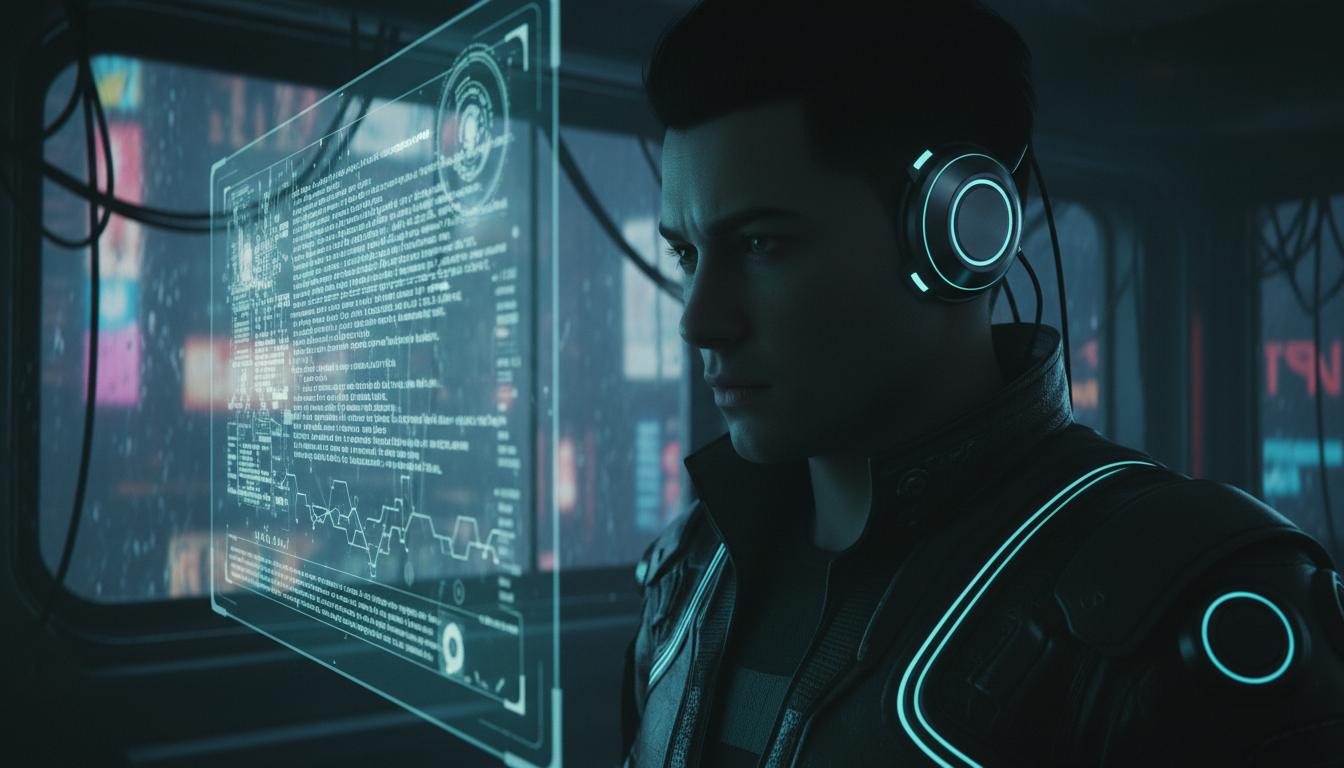
In a milestone that feels ripped from the pages of a cyberpunk novel, the first human recipient of the Neuralink ‘Link’ implant has officially demonstrated capabilities that surpass traditional human-computer interaction. During a live-streamed event that has since garnered tens of millions of views, the patient successfully outplayed a professional esports athlete in a high-speed strategy game using nothing but his thoughts. This isn’t just about accessibility anymore; it’s the dawn of the ‘augmented human’ era. The technology works by decoding neural signals into digital commands with millisecond latency, effectively bypassing the physical limitations of hands and eyes. While the initial focus was on assisting those with paralysis, the seamless integration shown during the demonstration suggests that the barrier between human cognition and digital processing is thinning. Experts suggest that we are witnessing the birth of a new tier of productivity, where ‘thinking’ a spreadsheet into existence becomes as natural as breathing. From a global business perspective, this breakthrough has sent shockwaves through the tech industry. Competitors are scrambling to accelerate their own brain-computer interface projects, and ethical watchdogs are raising urgent questions about data privacy. If our thoughts can be translated into data, who owns that data, and how can it be protected from ‘neural-hacking’? The commercial implications are staggering, with potential applications ranging from education to defense. The viral nature of the story stems from the raw footage of the demonstration. Seeing a cursor move across a screen with the fluid grace of human intent, without a single muscle twitch, is both awe-inspiring and slightly unsettling. Social media platforms are currently flooded with ‘The Matrix’ comparisons and debates on whether we are ready for the societal shift this tech will inevitably cause. The ‘Link’ is not just a gadget; it’s a fundamental change in what it means to be a tool-using species. As we move forward, the focus shifts to the long-term effects and the accessibility of such upgrades. Will this create a ‘neural divide’ between those who can afford the hardware and those who cannot? For now, the world watches in fascination as the line between biological and digital reality blurs.