
## Introduction
In a significant development on the international defense front, Ukraine has reached an agreement to share an American anti-drone system with the United States. This strategic move aims to strengthen defenses against Iranian drones becoming a growing concern in the Middle East.
According to two American officials who spoke to the Associated Press on Friday, the U.S. has successfully deployed this anti-drone technology against Russian drones in Ukraine, and now it seeks to extend these capabilities to allies facing the Iranian threat.
## The American Anti-Drone System
The system in question has shown high efficacy in combat scenarios. Key features include:
– **Proven Effectiveness**: The system has been tested in real combat scenarios against Russian drones, showcasing its ability to disrupt enemy aerial operations.
– **Rapid Deployment**: Designed for quick integration into existing defense infrastructures, it can be deployed effectively within a short time frame.
– **Targeted Technologies**: Utilizes advanced targeting capabilities, making it adept at intercepting various drone threats.
This collaboration involves leveraging technologies that have already proven successful in Ukraine to enhance defense capabilities in the Middle East, particularly against Iranian drone advancements.
## Iran’s Drone Program
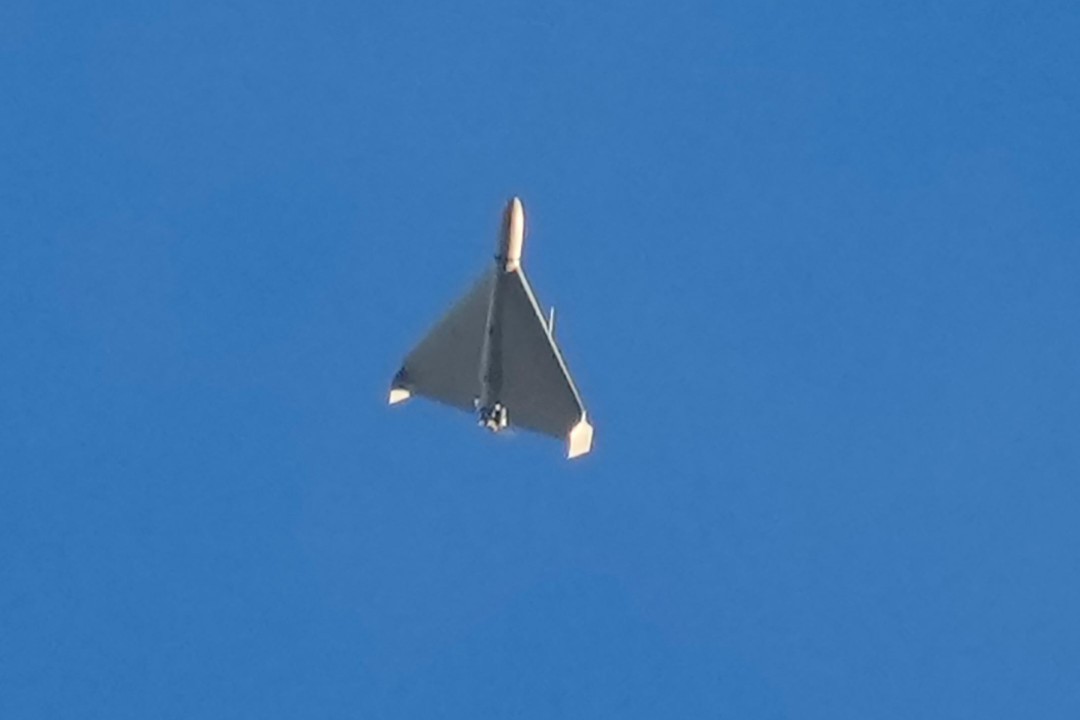
Iran has developed a sophisticated drone program, which poses increasing challenges to regional security. These drones are capable of conducting surveillance, delivering precision strikes, and carrying out asymmetric warfare. Key aspects include:
– **Range and Payload**: Iranian drones can operate at long ranges and carry substantial payloads, making them a versatile tool for military operations.
– **Regional Concerns**: Neighboring nations and U.S. allies in the region have expressed concerns about Iranian drone activities, which they perceive as threats to their sovereignty and safety.
– **Proxy Warfare**: Iran’s ability to arm allied groups with drones extends these threats beyond its borders, complicating regional dynamics further.
## Strategic Implications
The agreement for Ukraine to share this system has several strategic implications:
– **Strengthening Alliances**: This move signals a strengthening of U.S.-Ukraine ties, showcasing mutual interests in countering shared threats.
– **Deterrent Effect**: By enhancing the defensive capabilities of allied nations, the U.S. aims to create a deterrent against Iranian drone operations.
– **Regional Security Dynamics**: This engagement could shift the balance of power dynamics in the Middle East, potentially curbing Iran’s assertiveness.
## Conclusion
As Ukrainian forces continue to face Russian aggression, their decision to share proven defense technologies underscores the importance of international collaboration in combating evolving threats. The deployment of the U.S. anti-drone system in the Middle East represents a strategic enhancement in the ongoing efforts to protect regional stability from Iran’s growing drone capabilities. This agreement signifies an ongoing commitment to defense partnerships and collective security among allies dealing with common threats in an increasingly volatile geopolitical landscape.
By combining resources and sharing intelligence, nations such as the U.S. and Ukraine can continue to innovate and adapt their defense strategies to respond to emerging challenges effectively.